
Aeschylus’ Persians—the lament of the Others
In September 1951, the exiles on Aegina decided to stage a theatrical performance on the island for the first time. They chose Aeschylus’ The Persians. The censors allowed it because just four years earlier it had been staged by the National Theater to celebrate the union of the Dodecanese with the rest of Greece. Furthermore, Aeschylus’ text had always been used to emphasize national superiority and the continuity of blood with antiquity, so it was considered the most appropriate for the process of reforming the left-wing exiles. Moreover, the phrases “Ite paides Hellidon” and “Nyn hyper panton o agôn” dominated the slopes of the “New Parthenon,” as Makronissos was named.
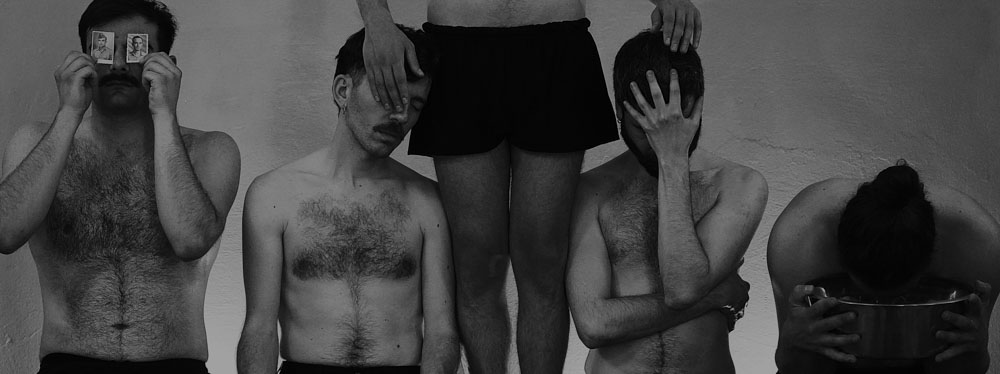
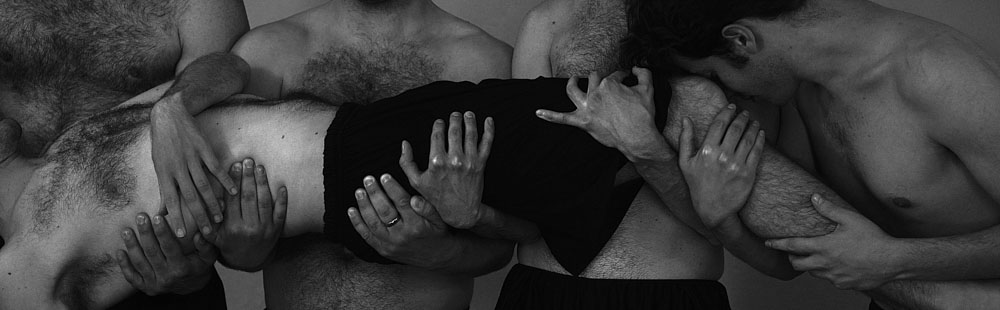
The performance of Ai Stratis in 1951 is perhaps the first recorded performance in Greece that has been resurrected from the lost pages of official history, from those who were treated as dangerous “Others” by the regime and whose struggle was condemned to oblivion. For the first time, perhaps, the Persians returned to their tragic origins from an anniversary display of superiority.
* Entry to the theater is prohibited after the performance has begun.
**For another year, spectators will be able to travel to and from the ancient theater of Philippi on a KTEL Kavala bus by showing their ticket for the respective theatrical performance and paying a special fare of €4.00.
Departure from Kavala Bus Station at 6:15 p.m. and return after the end of the performance.
For further information, please call the Kavala Municipal Theater at 2510. 220876 during office hours.